
Blog
A Comprehensive Guide With Vehicle Inspection Checklist


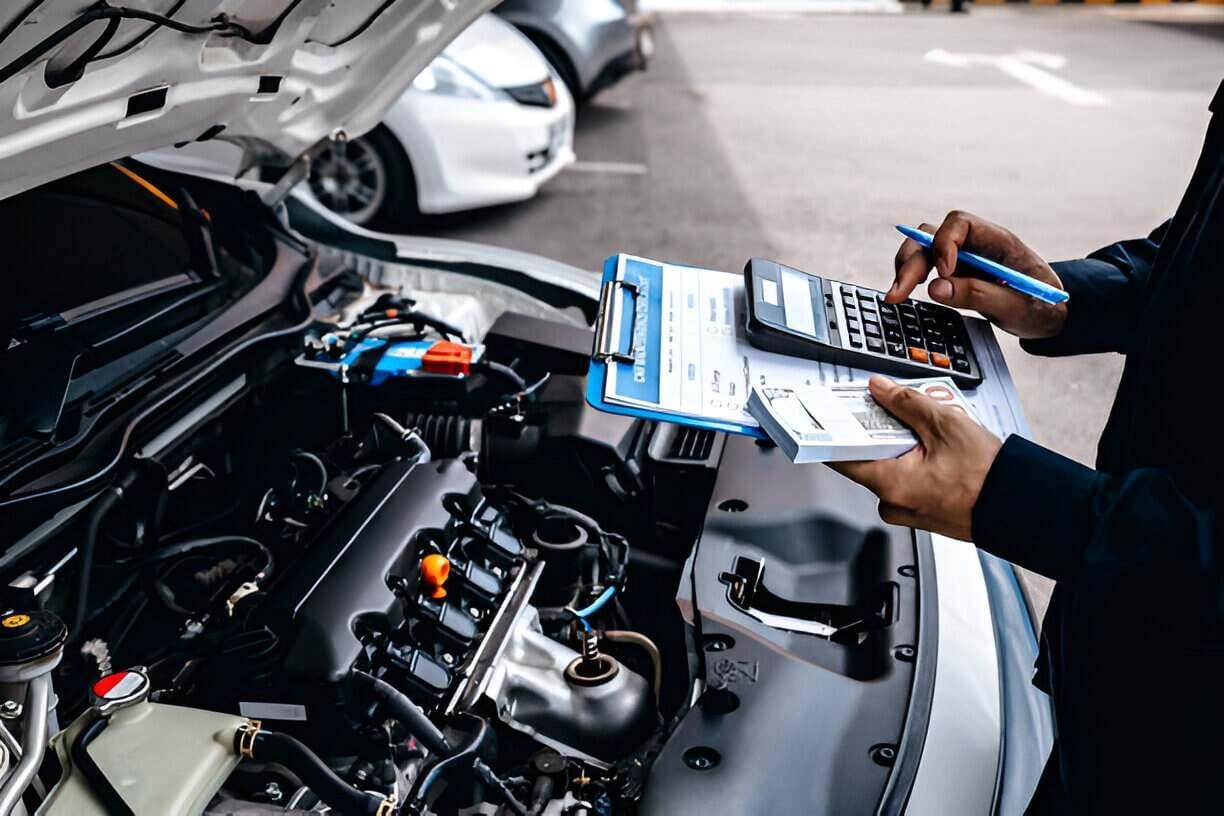
Keeping your car in top condition goes beyond routine oil changes or filling up the gas tank. Vehicle inspections are one of the most effective ways to ensure that your car remains safe, reliable, and efficient. By following a structured checklist, you can evaluate your car’s overall condition and address potential issues before they become costly or dangerous.
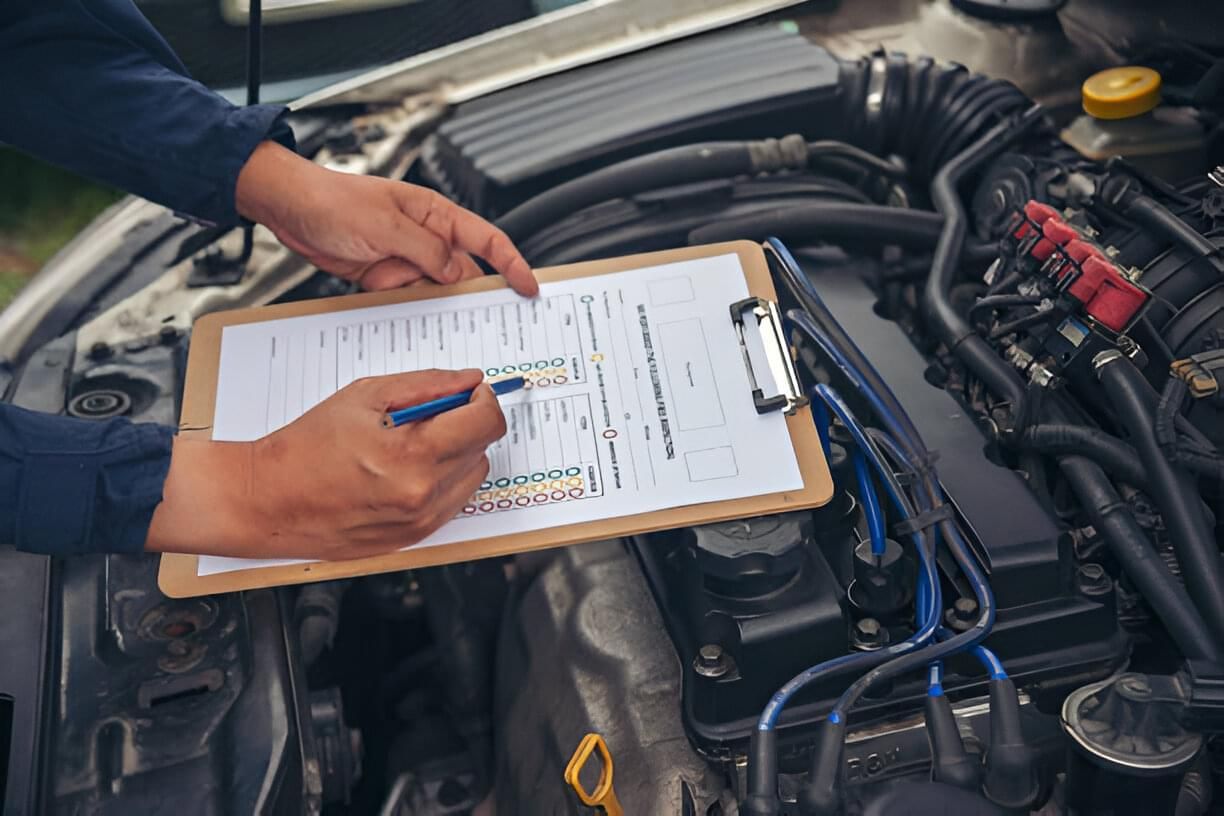
An automotive inspection checklist provides a systematic approach to reviewing the essential systems and components of your vehicle. This not only helps identify wear and tear but also ensures compliance with safety regulations and manufacturer recommendations. Having such a guide makes inspections less overwhelming and more effective for both car owners and professional technicians.
Why Vehicle Inspections Are Essential
Regular inspections are not just a formality; they are a vital part of responsible car ownership. Vehicles are made up of thousands of interconnected parts, and when even one component fails, it can affect the overall safety and performance. For example, worn brake pads not only reduce stopping power but also put additional stress on rotors, leading to more expensive repairs.
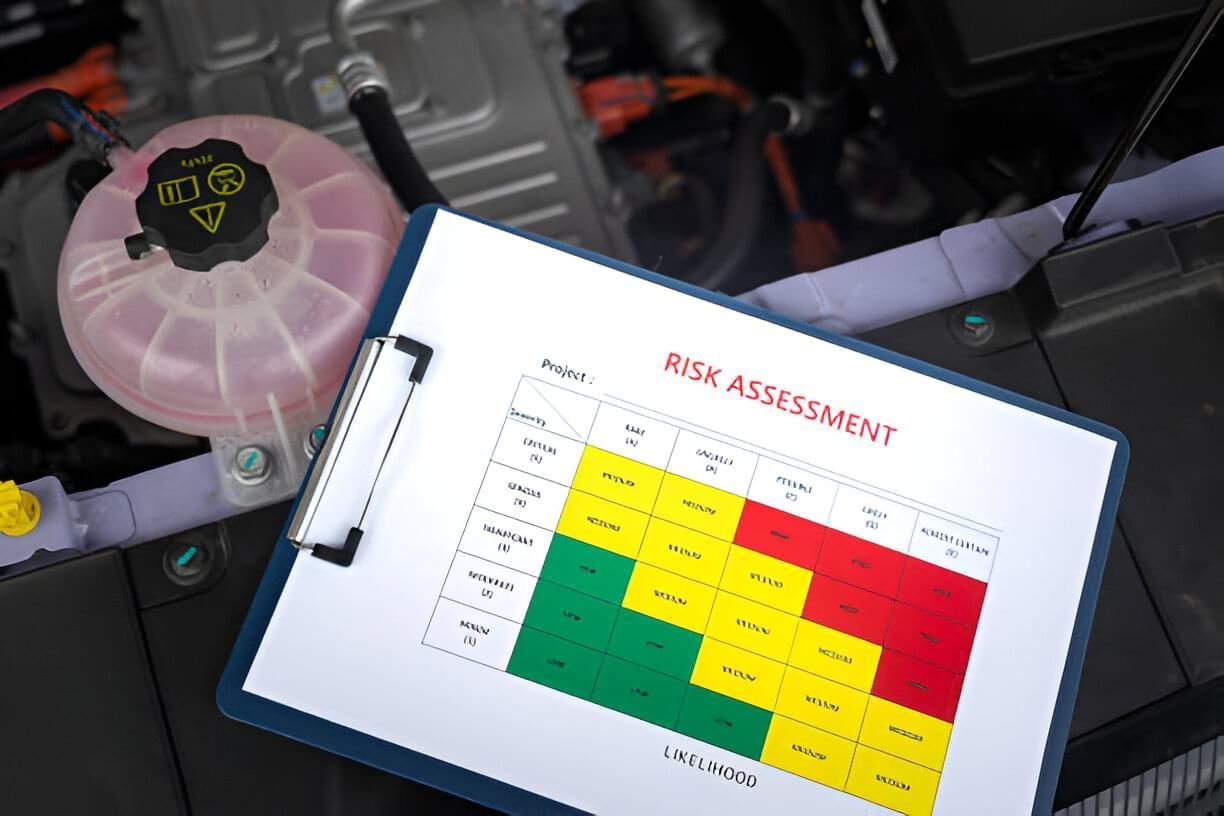
Another reason inspections matter is preventive care. A small fluid leak or a slightly underinflated tire may seem insignificant, but over time, these issues can lead to breakdowns or accidents. A structured car checklist ensures you don’t overlook these details. Prevention is always more cost-effective than waiting until something goes wrong.
Lastly, inspections help preserve your vehicle’s value. Whether you plan to keep your car long-term or sell it in the future, having consistent inspection records demonstrates that the car has been well-maintained. This not only instills buyer confidence but also allows you to command a higher resale price.
Automotive Inspection Checklist
An automotive inspection checklist is the foundation of vehicle maintenance. It ensures that all critical systems are checked consistently and thoroughly. Without a checklist, it’s easy to overlook small but important details that could impact safety and performance.
The main areas that should always be covered include the engine, brakes, tires, suspension, and electrical system. Each of these components plays a role in keeping your car safe and efficient. For example, if your brakes are worn but unnoticed, you’re putting yourself at risk every time you drive. Likewise, an unchecked battery can leave you stranded without warning.
Here are the most important items to include in your automotive inspection checklist:
Engine & Fluids: Oil, coolant, transmission fluid, brake fluid, and washer fluid.
Brakes: Pads, rotors, calipers, and brake lines.
Tires & Wheels: Air pressure, tread depth, and overall condition.
Battery & Electrical System: Charge level and terminal connections.
Lights: Headlights, indicators, brake lights, and interior lights.
Suspension & Steering: Signs of uneven wear, noises, or handling issues.
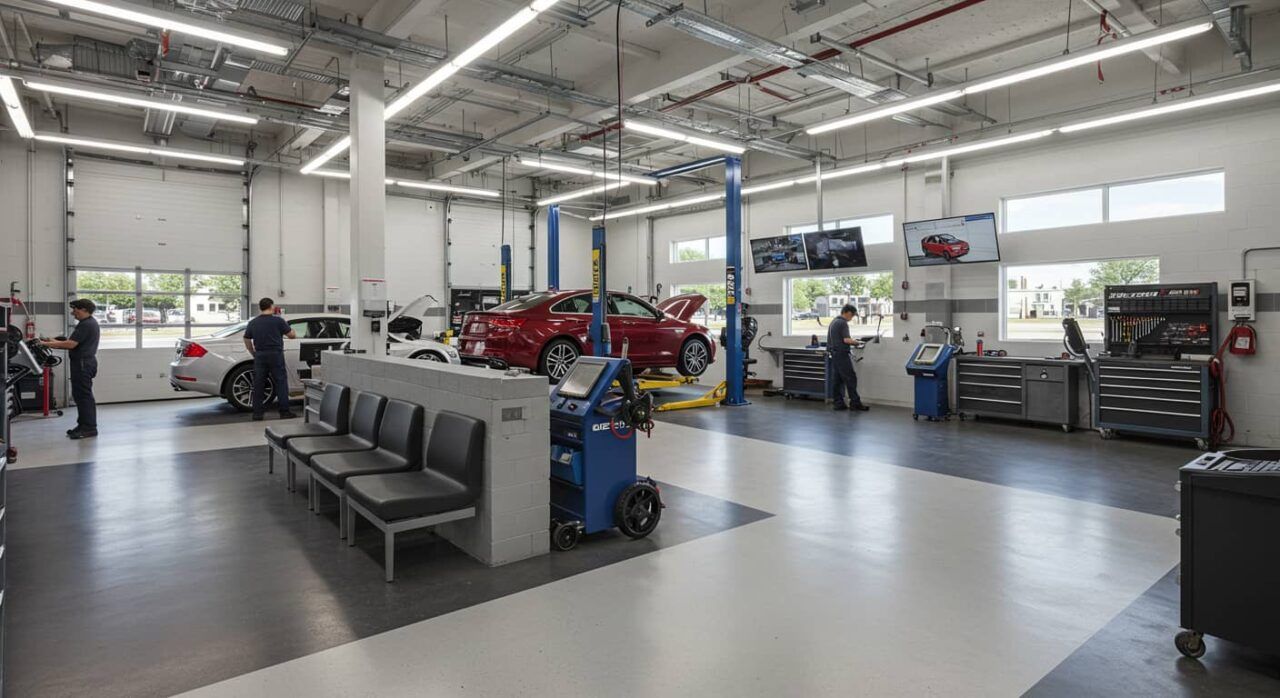
By following this checklist, you ensure that every inspection is consistent and nothing critical is missed. It’s a practice that professional shops follow, and car owners can benefit from adopting it as well.
FAQs
Why is a vehicle inspection checklist important?
A checklist ensures that all key systems—like brakes, tires, fluids, and lights—are reviewed consistently, helping prevent costly breakdowns and improving safety.
How often should I perform a vehicle inspection?
Basic inspections (like checking tire pressure and fluid levels) should be done monthly, while a full professional inspection is recommended at least once or twice a year.
What are the most critical items to check during an inspection?
Brakes, tires, lights, fluids, suspension, and the battery are among the most essential items to keep your car safe and reliable.
Can I perform a vehicle inspection myself?
Yes, many checks such as tire tread, oil levels, and light functionality can be done at home, but a certified mechanic should inspect complex systems like brakes or suspension.
How do inspections affect my car’s resale value?
Regularly documented inspections show that your car has been well-maintained, which increases buyer confidence and helps you secure a higher resale price.