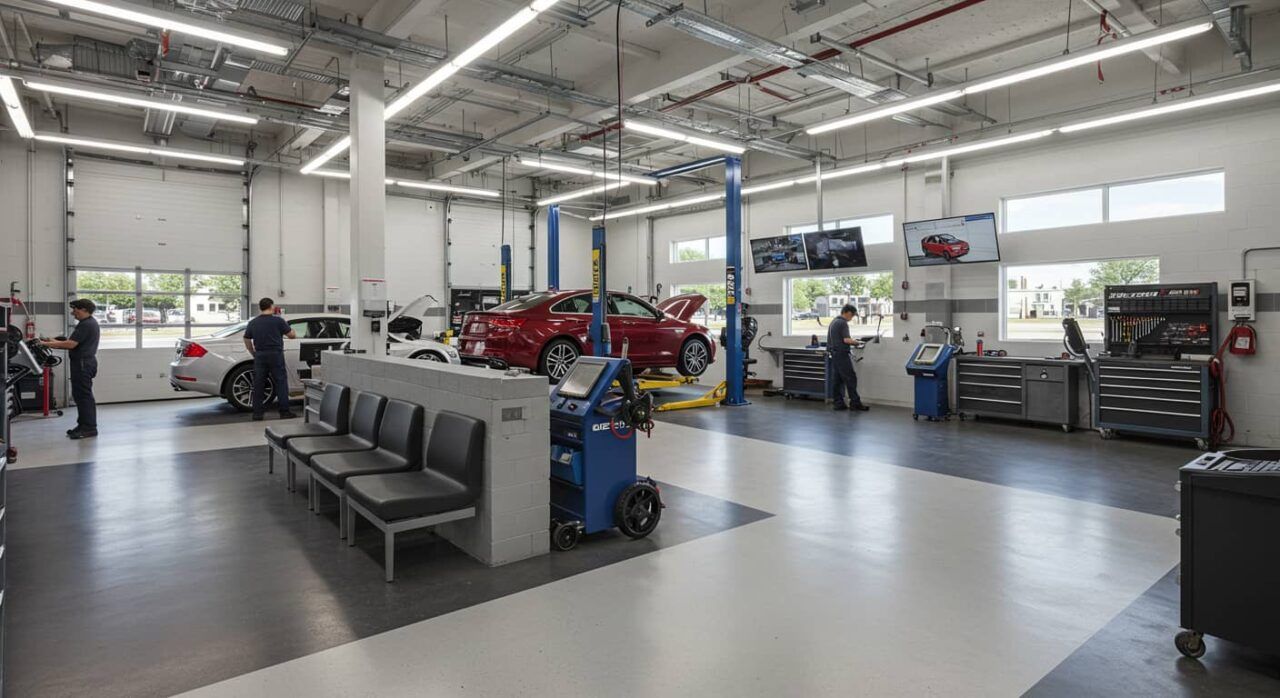
Whether you’re a DIY enthusiast working on your first oil change or a professional mechanic running a busy garage, the right tools are the backbone of every repair. Having a complete workshop tools list ensures accuracy, safety, and efficiency. But what counts as essential auto repair tools?
Let’s break it down step by step.
Why Do Auto Repair Tools Matter?
Every mechanic knows: the right tool saves time, prevents mistakes, and protects both you and the vehicle. Using professional-grade gear doesn’t just make the job easier—it also helps avoid damage that could lead to costly rework.
Auto repair tools are essential because they make repairs safer, faster, and more accurate. With the right equipment—hand tools, diagnostic tools, and power tools—mechanics reduce errors, save time, and improve customer trust.
What Are the Basic Auto Mechanic Tools Everyone Needs?
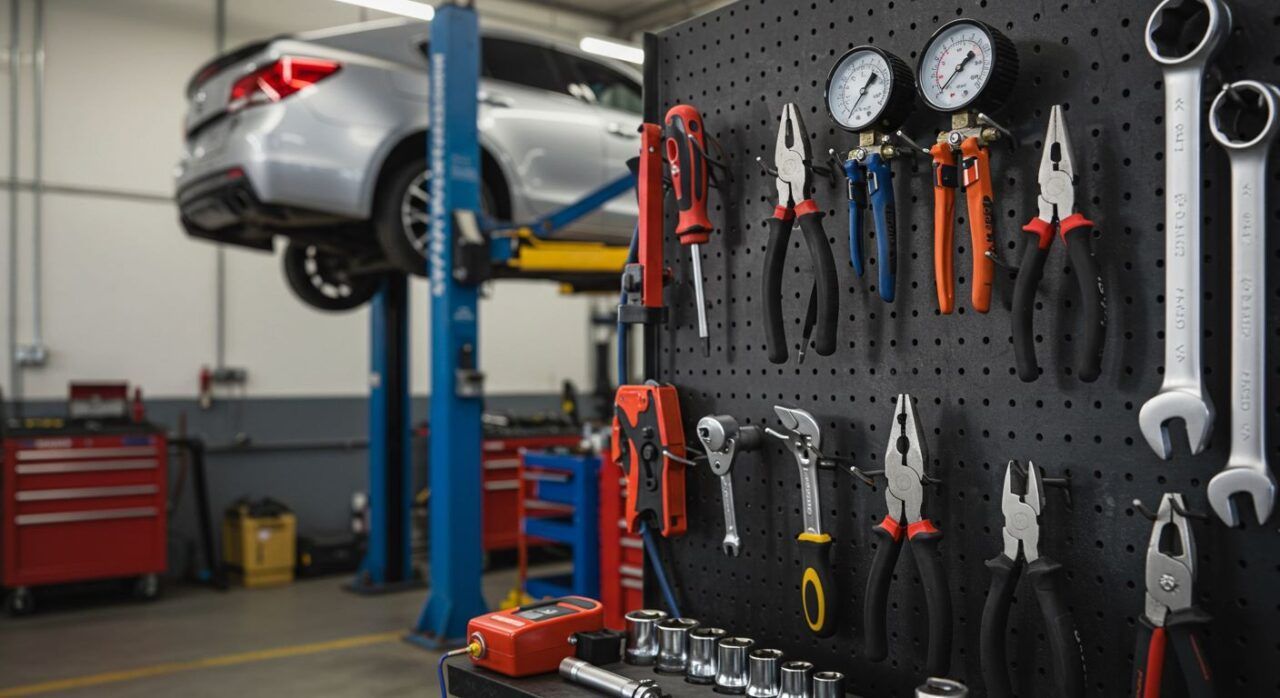
Before buying specialty equipment, every mechanic needs a solid foundation. Here’s a basic auto mechanic tools list that belongs in every garage:
- Wrenches & Sockets – Combination wrenches, ratchets, and socket sets in both metric and standard sizes.
- Screwdrivers – Flathead and Phillips in multiple lengths.
- Pliers – Needle-nose, locking pliers, and adjustable channel locks.
- Hammer & Mallet – For loosening stuck parts without causing damage.
- Measuring Tools – Tape measure, calipers, and a torque wrench for precision.
The most basic auto mechanic tools are wrenches, sockets, screwdrivers, pliers, hammers, and a torque wrench. These form the foundation of every repair kit.
What Are the Best Automotive Tools for Everyday Repairs?
Beyond the basics, mechanics need tools that improve speed and efficiency. Here are the best automotive tools for daily use:
- Cordless Impact Wrench – Quickly removes stubborn lug nuts.
- Hydraulic Jack & Jack Stands – For safe undercar inspections.
- Pry Bars & Breaker Bars – For extra leverage on stuck bolts.
- Creeper & Work Light – To work comfortably under vehicles.
- Magnetic Tool Trays – Keeps bolts and nuts organized.
The best automotive tools for everyday use include an impact wrench, jack and stands, pry bars, a creeper, and strong lighting. They save time and improve safety.
What Diagnostic Tools Do Modern Mechanics Use?
With cars becoming more advanced, diagnostic tools are just as important as wrenches. These tools identify problems before parts are replaced.
- OBD-II Scanner – Reads error codes from the car’s computer.
- Multimeter – Tests electrical systems, fuses, and batteries.
- Battery Tester – Measures battery health and charging capacity.
- Fuel Pressure Gauge – Checks for issues in the fuel system.
- Smoke Machine – Detects leaks in vacuum and exhaust systems.
Essential diagnostic tools include an OBD-II scanner, multimeter, battery tester, fuel pressure gauge, and smoke machine. These tools make troubleshooting faster and more accurate.
Which Power Tools Belong in Every Workshop?
Hand tools are great, but power tools add speed and precision. For professionals and serious DIYers, the best workshop tools list includes:
- Air Compressor – Powers pneumatic tools and inflates tires.
- Impact Driver & Drill – Speeds up fastener removal and installation.
- Angle Grinder – Cuts, sands, or polishes metal surfaces.
- Heat Gun – Loosens adhesives or shrinks wiring sleeves.
- Electric Ratchet – Saves time in tight spaces.
Must-have power tools for auto repair include an air compressor, impact driver, drill, angle grinder, heat gun, and electric ratchet. They boost efficiency for complex jobs.
What Garage Equipment Is Needed for Safety and Efficiency?
A repair shop isn’t complete without larger garage equipment that supports both safety and workflow.
- Hydraulic Lift – For safe vehicle inspections and repairs.
- Workbench & Vise – Provides a stable surface for tough tasks.
- Parts Washer – Cleans dirty components effectively.
- Air Filtration System – Protects lungs and maintains a healthy shop environment.
- Tool Chest & Storage Systems – Keeps everything organized.
Essential garage equipment includes hydraulic lifts, workbenches, vises, parts washers, and storage systems. These tools support efficiency and long-term safety.
What Specialty Tools Are Worth Investing In?
Once the basics are covered, specialty tools make certain repairs easier.
- Brake Bleeder Kit – For safe, fast brake fluid replacement.
- Ball Joint Separator – Simplifies suspension repairs.
- Timing Light – Essential for tuning older engines.
- Spring Compressor – Safely removes and installs suspension springs.
- Cooling System Tester – Identifies radiator or coolant leaks.
Specialty tools worth having include brake bleeder kits, ball joint separators, timing lights, spring compressors, and cooling system testers. They save time on complex repairs.
How Can You Build a Complete Workshop Tools List?
To avoid overspending, build your workshop in stages:
- Start with basics – Wrenches, sockets, and screwdrivers.
- Add best automotive tools – Impact wrenches, jacks, and creepers.
- Invest in diagnostics – OBD-II scanners and multimeters.
- Expand with power tools – Drills, grinders, and heat guns.
- Upgrade to garage equipment – Lifts, workbenches, and storage.
Build a complete workshop tool list step by step: start with basics, add power and diagnostic tools, then upgrade to larger garage equipment as your shop grows.
Crafting Your Ideal Workshop
The right tools turn an average garage into a professional workshop. From basic auto mechanic tools like wrenches and sockets to advanced diagnostic and power tools, each item plays a role in efficiency, safety, and precision.
Building the best automotive tools collection isn’t about buying everything at once—it’s about
starting small, upgrading smart, and focusing on quality.
Whether you’re a DIYer creating a home workshop tools list or a shop owner investing in professional-grade gear, the right tools ensure smoother repairs and satisfied customers.
FAQs